



Skip to Content
Evidence-Based Clinical & Patient Education

Ardental Knowledge & Oral Health Journal

Explore our comprehensive clinical guides, practical preventive habits, and restorative dentistry insights crafted to support patients and dental clinics across Pakistan.

Featured Dental Health Articles

Evidence-based dental care information, diagnostic signs, and treatment overviews. Click any card to read the complete article.

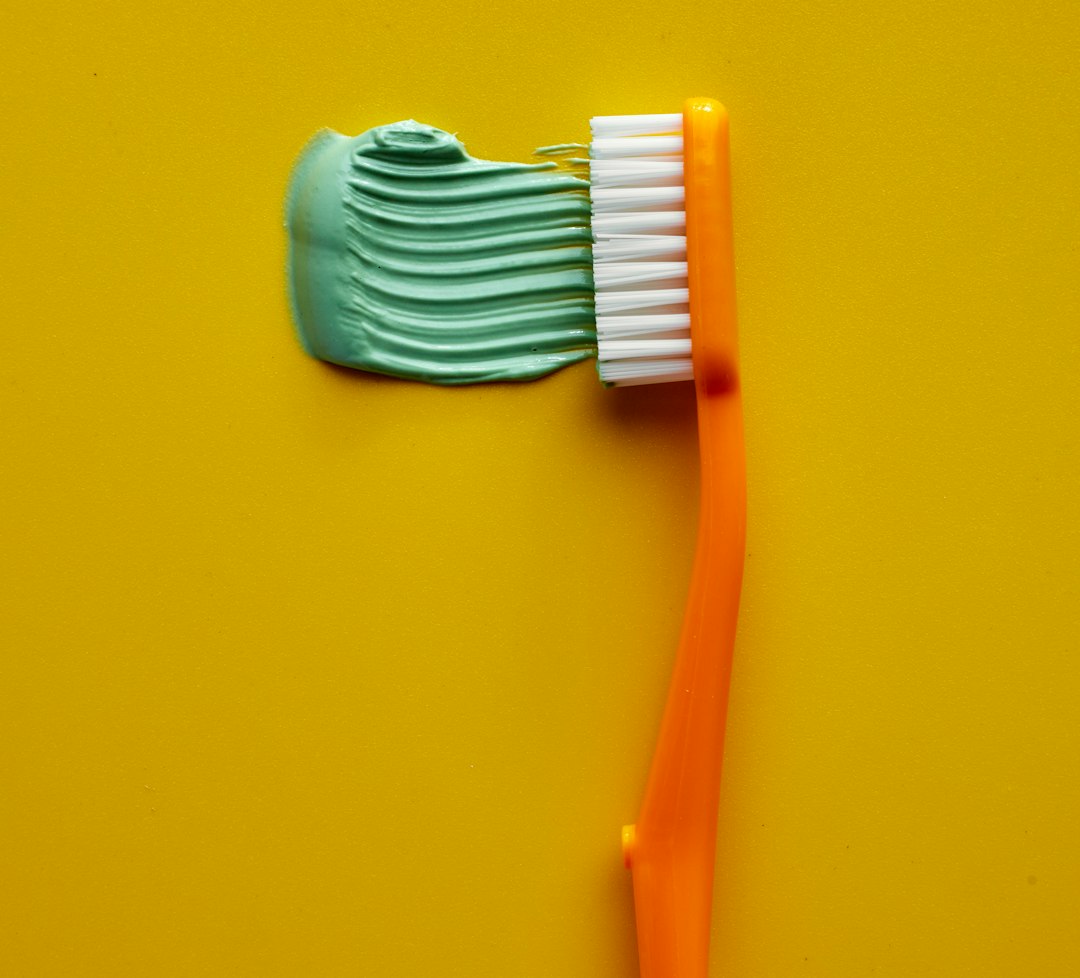
Choosing toothbrushes and fluoride toothpaste
Oral Hygiene

How to Choose the Right Toothbrush and Toothpaste

An evidence-based guide to bristle softness, manual vs. sonic electric mechanisms, fluoride concentrations, and desensitizing agents.

Read Full Article
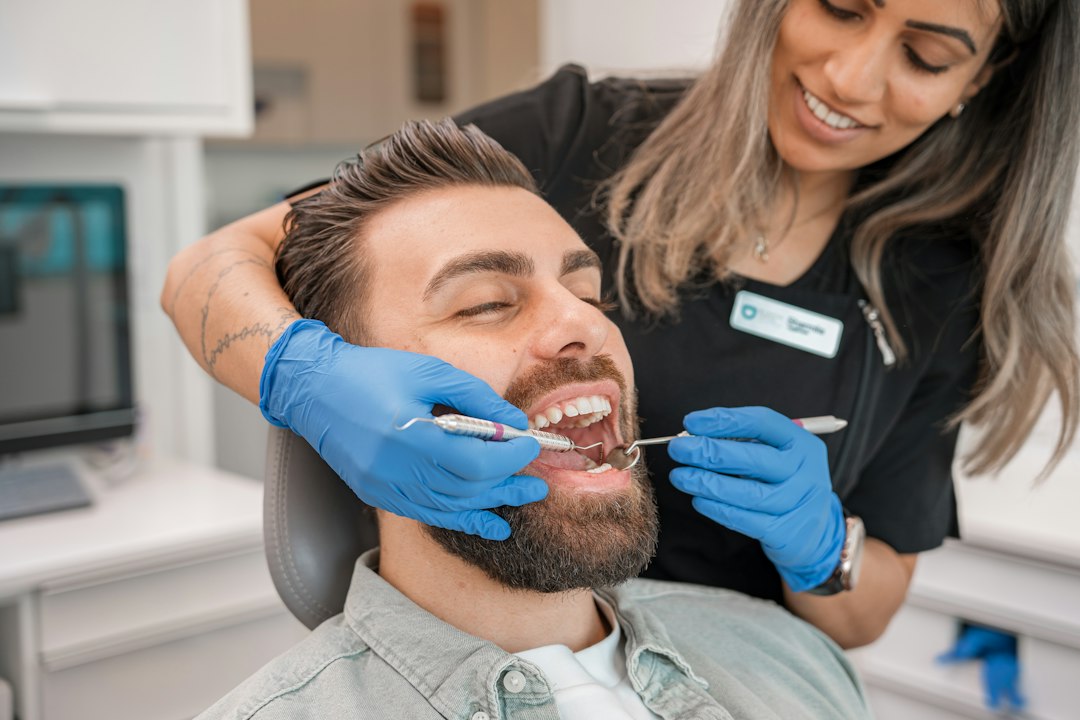
Dentist examining patient for early signs of periodontal disease
Periodontology

What Are the Early Signs of Gum Disease?

Understand the clinical progression from reversible gingivitis to periodontitis, warning symptoms, and professional management strategies.

Read Full Article
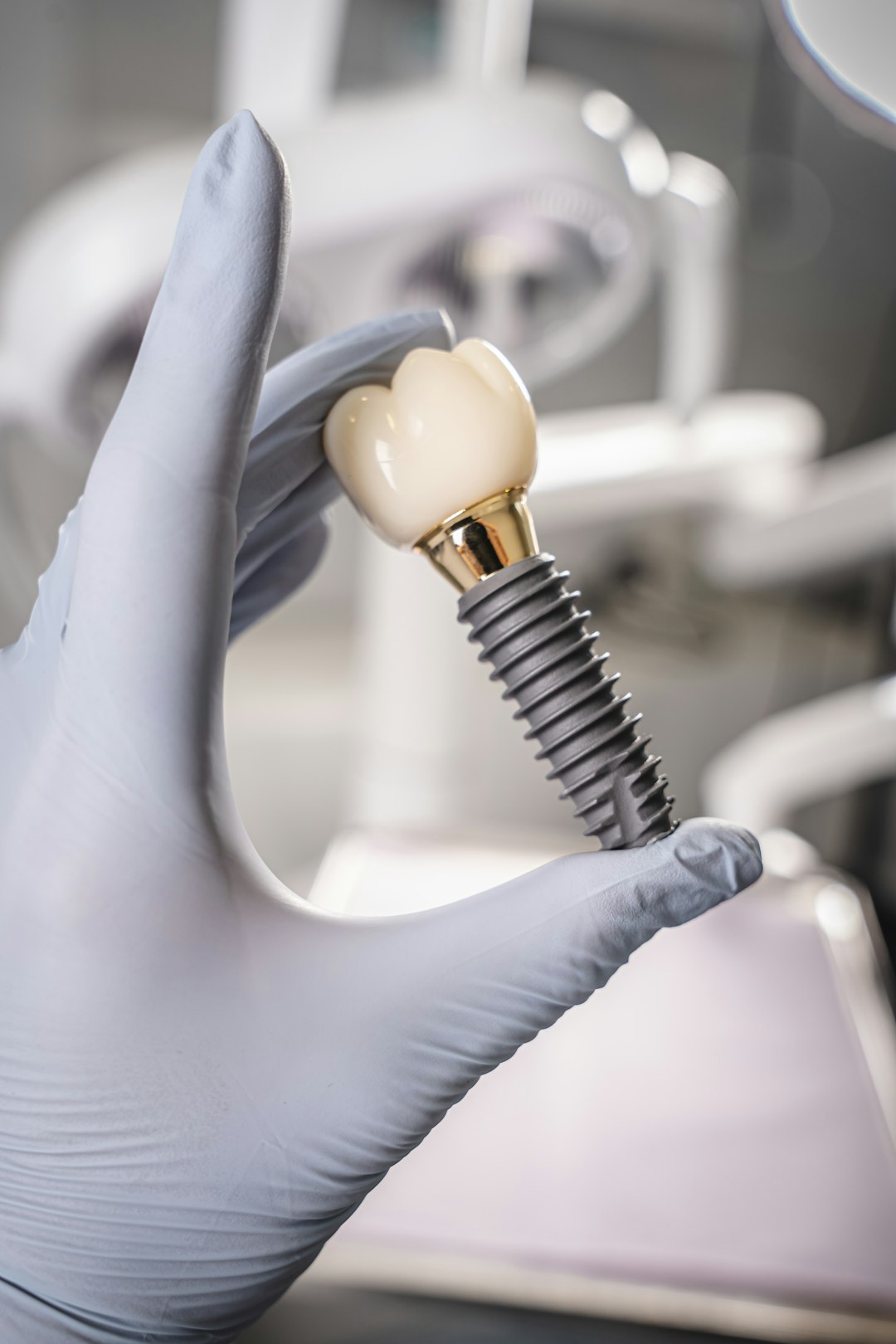
Titanium dental implant fixture and precision ceramic crown
Implantology

Dental Implants: Benefits, Procedure, and Recovery

Complete clinical breakdown of osseointegration, custom CAD/CAM abutments, surgical recovery phases, and long-term crown maintenance.

Read Full Article
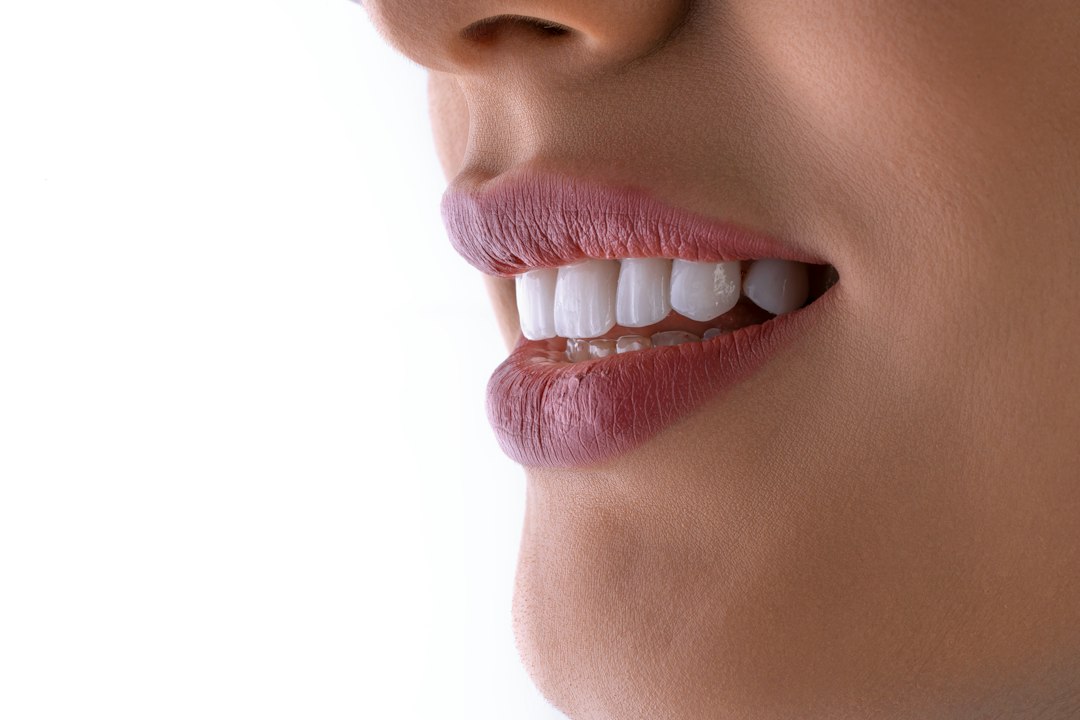
Bright healthy teeth comparison for whitening treatments
Cosmetic Dentistry

Professional Whitening vs. At-Home Kits

Comparing in-office hydrogen peroxide activation with custom take-home trays and OTC strips, focusing on enamel safety and sensitivity.

Read Full Article
Endodontic consultation and treatment planning
Endodontics

Root Canal Treatment: Patient Guide

Dispel misconceptions around endodontic therapy. Discover canal shaping, bio-inert obturation, and why protective crowns are vital.

Read Full Article
Preventing caries with fluoride and proper hygiene
Preventive Care

Preventing Cavities and Tooth Decay

Demineralization dynamics, acid attacks, salivary buffering capacity, dental sealants, and sugar frequency management.

Read Full Article
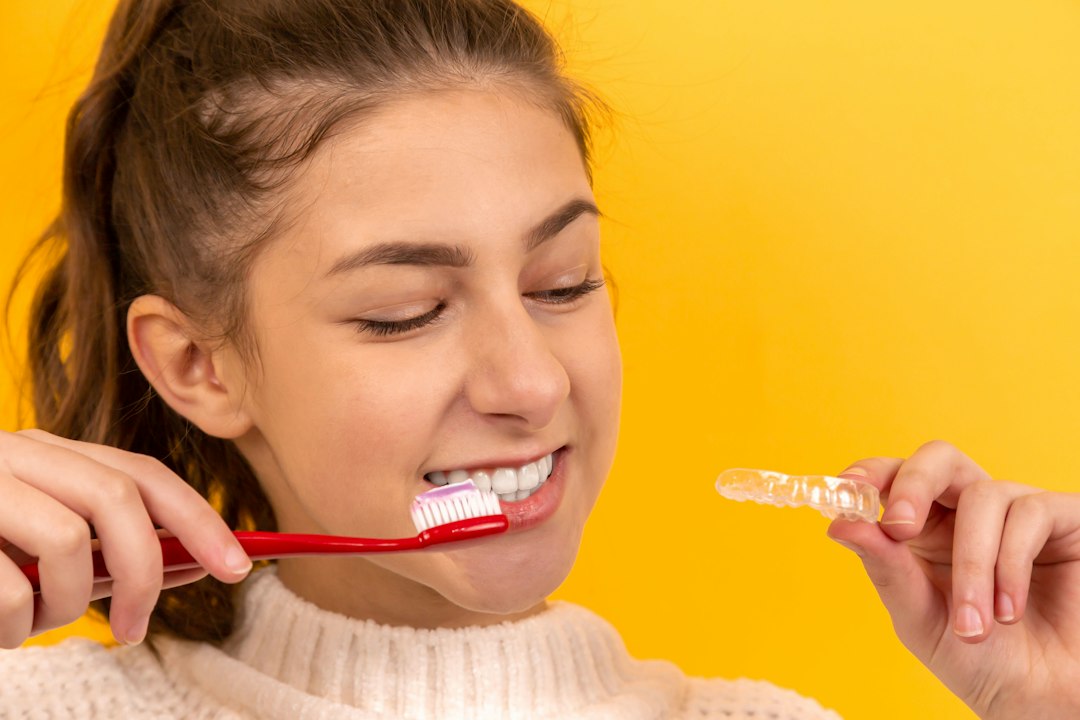
Clear aligners and orthodontic treatment options
Orthodontics
Braces vs. Clear Aligners

Biomechanical forces, aesthetic preferences, treatment compliance, and complex bite corrections.

Read Article
Pediatric oral health and early child brushing
Pediatric Care
Children's Oral Health Tips

Primary teeth preservation, first dental visits, positive habit reinforcement, and dietary management.

Read Article
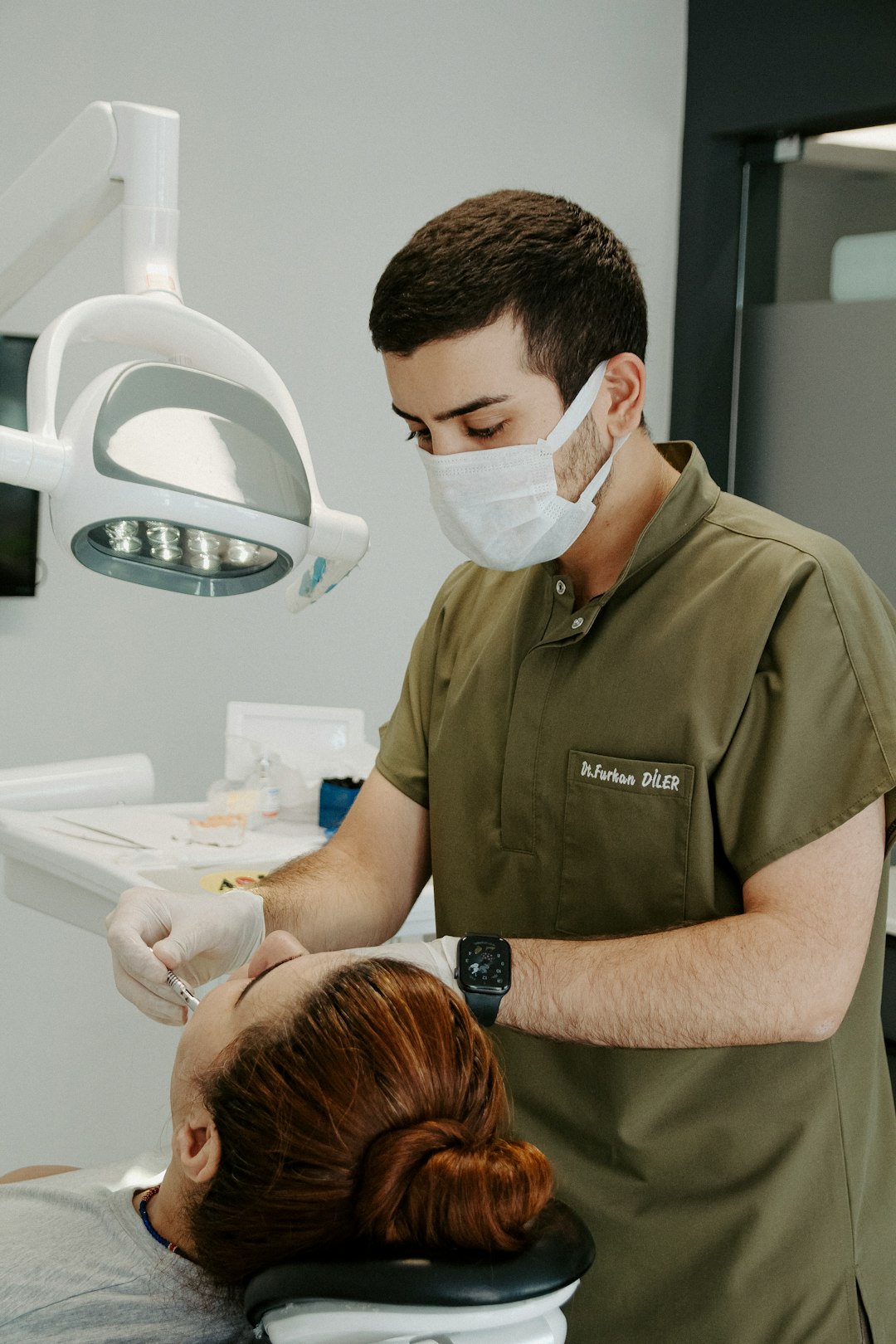
Routine dental exam and diagnostic assessment
Diagnostics
Importance of Regular Checkups

The hidden value of biannual clinical visits, ultrasonic scaling, and silent asymptomatic pathology detection.

Read Article
Oral hygiene products for lasting fresh breath
Oral Health
Halitosis Causes & Management

Microbial etiology on the posterior tongue dorsum, dry mouth triggers, and clinical solutions for halitosis.

Read Article
← Back to Article Directory
Oral Hygiene & Preventive Care • Reading Time: 5 min

How to Choose the Right Toothbrush and Toothpaste: An Evidence-Based Patient Guide

A scientific look at bristle configuration, electric oscillatory technology, fluoride dosage, and selecting oral care formulations tailored to your enamel health.

SEO Metadata & Key Details:
  • Slug: /blog/choose-right-toothbrush-and-toothpaste
  • Meta Description: Discover how to choose the best toothbrush and toothpaste based on clinical research. Learn about soft bristles, electric vs manual, and fluoride remineralization.

1. Bristle Texture: Why Soft Bristles Are the Golden Standard

When standing in the oral hygiene aisle, patients are frequently confronted with hard, medium, and soft bristle options. Dental literature overwhelmingly confirms that soft or extra-soft rounded nylon bristles provide optimal plaque removal without causing cervical enamel abrasion or gingival recession. Hard bristles, when paired with horizontal scrubbing motions, can wear down the delicate cementoenamel junction, exposing dentin tubules and causing chronic hypersensitivity.

2. Electric vs. Manual Toothbrushes

While an individual using proper technique with a manual toothbrush can achieve satisfactory plaque removal, randomized controlled clinical trials show that electric toothbrushes—specifically those featuring oscillating-rotating or sonic vibration mechanisms—consistently reduce plaque and gingival bleeding over time:

  • Oscillating-Rotating Heads: Cup around individual teeth, delivering micro-vibrations that disrupt bio-films in difficult-to-reach posterior areas.
  • Built-in Pressure Sensors: Actively alert users if excessive lateral pressure is exerted, safeguarding gum tissue from trauma.
  • Integrated Two-Minute Timers: Assist individuals in completing the internationally recommended brushing duration with equal quadrant distribution.

3. Toothpaste Active Ingredients: What to Look For

Toothpaste functions as a mild abrasive carrier for therapeutic agents. Key ingredients to evaluate include:

  • Sodium Fluoride or Stannous Fluoride: Essential for converting enamel hydroxyapatite into acid-resistant fluorapatite, fostering remineralization of early sub-surface lesions.
  • Potassium Nitrate or Arginine: Depolarizes nerve endings within dentinal tubules, offering effective relief for patients experiencing temperature sensitivity.
  • Sodium Bicarbonate: Offers safe, low-abrasion stain removal while buffering oral acidity after meals.
Clinical Takeaway: Replace your toothbrush or electric brush head every 3 months, or sooner if the bristles flare. Pair your daily routine with dental flossing or interdental brushes.
← Back to Article Directory
Periodontal Health • Reading Time: 6 min

What Are the Early Signs of Gum Disease? Detection, Stages, and Management

Learn to identify the warning signals of gingival inflammation before irreversible alveolar bone loss compromises your natural teeth.

SEO Metadata & Key Details:
  • Slug: /blog/early-signs-of-gum-disease
  • Meta Description: Learn the subtle signs of early gum disease (gingivitis) and how to stop progression to periodontitis with professional scaling and preventive oral care.

1. The Silent Evolution of Periodontal Infection

Periodontal disease is among the most prevalent chronic inflammatory conditions globally. Because early stages rarely produce severe discomfort, it frequently advances unnoticed. Plaque bacteria continuously accumulate at the gingival margin, releasing lipopolysaccharides that trigger a localized host immune response.

2. Five Primary Warning Signs

  • Erythema and Edema: Healthy gums present a firm, stippled, pale pink appearance. Red, swollen, or puffy gingival margins signify capillary dilation caused by inflammatory mediators.
  • Gingival Bleeding on Probing or Brushing: Bleeding during routine brushing or flossing is never normal; it indicates micro-ulcerations in the sulcular epithelium.
  • Persistent Halitosis: Anaerobic gram-negative bacteria dwelling within deepening periodontal pockets release volatile sulfur compounds that standard mouthwashes cannot mask.
  • Gingival Recession: As tissue inflammation progresses, the gum line recedes, exposing darker root surfaces and creating food-trap embrasures.
  • Mild Tooth Mobility: Indicates that inflammatory breakdown has extended from the gingiva into the periodontal ligament and supporting alveolar bone.

3. Gingivitis vs. Periodontitis

Gingivitis involves only superficial soft tissues without loss of bone attachment; it is 100% reversible through professional dental scaling and diligent interdental hygiene. Conversely, periodontitis involves irreversible destruction of periodontal attachment apparatus and alveolar bone. While periodontitis cannot be "cured" back to original bone levels, it can be stabilized through deep scaling and root planing (SRP), localized antimicrobials, and rigorous supportive periodontal therapy.

← Back to Article Directory
Prosthodontics & Surgery • Reading Time: 7 min

Dental Implants: Benefits, Clinical Procedure, and Recovery Timeline

A detailed overview of medical-grade titanium fixtures, bone integration biology, and precision prosthetic rehabilitation.

SEO Metadata & Key Details:
  • Slug: /blog/dental-implants-benefits-procedure-recovery
  • Meta Description: Understand the dental implant process from CBCT 3D planning to osseointegration and final zirconia crown placement. Comprehensive guide on recovery and care.

1. Why Dental Implants Are the Gold Standard for Tooth Replacement

Unlike traditional fixed partial dentures (bridges) that require grinding down sound adjacent natural teeth, or removable prostheses that destabilize over time, dental implants replace the anatomical root structure. The biocompatible titanium or zirconia screw integrates directly into the jawbone via osseointegration, preserving alveolar bone volume through natural masticatory stimulation.

2. Step-by-Step Surgical and Prosthetic Workflow

  1. Comprehensive Diagnostic Imaging: Cone-Beam Computed Tomography (CBCT) provides a 3D assessment of bone density, nerve canals, and sinus proximity to plan implant angulation precisely.
  2. Implant Placement: Under local anesthesia, the fixture is carefully threaded into the prepared osteotomy site. A healing abutment or cover screw is secured.
  3. Osseointegration Period (3–6 Months): Osteoblasts deposit bone matrix directly onto the micro-textured implant surface, anchoring it rigidly within the jaw.
  4. CAD/CAM Prosthetic Fabrication: Ardental Lab engineers custom titanium or hybrid abutments paired with high-translucency multilayer zirconia crowns for optimal aesthetic blending and bite function.

3. Post-Operative Recovery and Maintenance

Patients typically experience mild swelling and manageable tenderness for 48–72 hours following placement, well-managed with standard analgesics. Long-term longevity hinges on diligent peri-implant hygiene, using water flossers and non-abrasive pastes, and scheduling biannual clinical evaluations to prevent peri-implantitis.

← Back to Article Directory
Cosmetic Dentistry • Reading Time: 5 min

Professional Teeth Whitening vs. At-Home Whitening: Which Is Better?

Comparing in-office chemical activation, custom take-home trays, and over-the-counter whitening strips in terms of clinical efficacy, enamel safety, and longevity.

SEO Metadata & Key Details:
  • Slug: /blog/professional-vs-home-teeth-whitening
  • Meta Description: Compare in-office chairside whitening with at-home dental trays. Learn about carbamide peroxide, shade changes, enamel safety, and sensitivity control.

1. The Chemistry of Enamel Whitening

Extrinsic tooth discoloration originates from chromogens found in coffee, tea, tobacco, and spices that bind to the acquired pellicle and superficial enamel pores. Whitening gels rely on hydrogen peroxide or carbamide peroxide. When applied, these peroxides decompose into free radicals that oxidize conjugated double bonds in organic pigments, breaking them into smaller, colorless compounds without dissolving mineral enamel prism structure.

2. Chairside In-Office Whitening

Performed under the direct supervision of a dental surgeon using high-concentration gels (25% to 40% hydrogen peroxide):

  • Gingival Barrier Isolation: A light-cured resin dam protects soft tissue from chemical irritation and sloughing.
  • Rapid Results: Teeth can lighten by 4 to 8 VITA shades in a single 60-minute appointment.
  • Desensitizing Protocols: Formulations include amorphous calcium phosphate (ACP) or potassium nitrate to minimize transient pulpal sensitivity.

3. Custom Laboratory Take-Home Trays vs. OTC Strips

At-home whitening through custom-scanned trays created by a dental laboratory offers the finest balance of gradual shade control and safety. Trays match the exact contours of the teeth, preventing gel leakage onto gingiva. Conversely, over-the-counter strips provide a generic rectangular shape that often misses interdental spaces and may irritate gingival papillae.

← Back to Article Directory
Endodontics • Reading Time: 6 min

Root Canal Treatment: What Patients Should Know Before Procedure

A clear, reassuring breakdown of modern endodontic therapy, pain-free anesthesia, canal debridement, and full-coverage coronal restoration.

SEO Metadata & Key Details:
  • Slug: /blog/root-canal-treatment-patient-guide
  • Meta Description: Understand the root canal process step by step. Learn why endodontic therapy eliminates pain, preserves natural teeth, and requires protective zirconia crowns.

1. Debunking the Root Canal Myth

Popular perception often associates root canals with intense pain; however, modern endodontic treatment is performed to eliminate the pain caused by acute pulpitis or apical abscess. With contemporary profound local anesthetics and rotary nickel-titanium instrumentation, a root canal procedure feels remarkably similar to receiving a standard restorative filling.

2. When Is a Root Canal Required?

Within every tooth lies the dental pulp chamber, containing nerves, blood vessels, and connective tissue. When bacteria reach this chamber—through deep carious lesions, repeated restorations, or dental trauma—the pulp becomes irreversibly inflamed (pulpitis) or necrotic. Left untreated, bacteria exit through apical foramina into the periapical bone, causing bone destruction and severe swelling.

3. The Step-by-Step Procedure

  • Rubber Dam Isolation: A sterile barrier shields the tooth from saliva and oral bacteria during instrumentation.
  • Access and Chemo-Mechanical Debridement: Micro-files glide down root canals while sodium hypochlorite irrigants dissolve necrotic tissue and eradicate bacteria.
  • Hermetic Obturation: Canals are sealed with gutta-percha and biocompatible bioceramic sealers to prevent bacterial recolonization.
  • Full-Coverage Restoration: Because endodontically treated teeth lose intrinsic hydration and structural dentin, placing a custom zirconia or ceramic crown is vital to prevent catastrophic cuspal fracture.
← Back to Article Directory
Preventive Dentistry • Reading Time: 6 min

How to Prevent Cavities and Tooth Decay: The Science of Remineralization

Exploring the Stephan curve, acidogenic bacteria, salivary buffering, and clinical preventative interventions like pit-and-fissure sealants.

SEO Metadata & Key Details:
  • Slug: /blog/prevent-cavities-tooth-decay-guide
  • Meta Description: Master the science of cavity prevention. Learn how sugar frequency, salivary flow, fluoride, and dental sealants stop enamel demineralization.

1. The Biological Mechanism of Dental Caries

Tooth decay is not an instantaneous event; it is a dynamic biochemical continuum. Cariogenic bacteria—primarily Streptococcus mutans and Lactobacilli—ferment dietary carbohydrates, synthesizing lactic and formic acids. When oral pH drops below the critical threshold of 5.5, calcium and phosphate ions begin leaching out of enamel hydroxyapatite crystals (demineralization).

2. Frequency vs. Quantity of Dietary Sugar

Decades of clinical research show that the frequency of sugar exposure is far more damaging than total sugar volume. Each carbohydrate intake initiates a 20-to-30 minute acid attack before saliva's bicarbonate buffering system restores neutral pH. Constant snacking or sipping sweetened beverages prevents remineralization, leading to structural micro-porosities and visible cavitations.

3. Proven Preventative Protocols

  • Optimal Fluoride Exposure: Brushing twice daily with fluoridated toothpaste promotes the incorporation of fluorapatite, which resists acid dissolution down to pH 4.5.
  • Pit and Fissure Sealants: Thin flowable resin coatings placed over the deep occlusal grooves of molars provide a physical barrier against food impaction and bacterial biofilms.
  • Stimulating Salivary Flow: Chewing xylitol-sweetened gum after meals stimulates saliva flow, speeds pH recovery, and inhibits bacterial enzyme systems.
← Back to Article Directory
Orthodontics • Reading Time: 5 min

Braces vs. Clear Aligners: What Is the Difference and Which Fits You?

A comparative evaluation of biomechanical tooth movement, aesthetic discretion, hygiene management, and treatment indications.

SEO Metadata & Key Details:
  • Slug: /blog/braces-vs-clear-aligners-difference
  • Meta Description: Compare traditional fixed braces and clear aligners. Understand treatment time, complexity, hygiene challenges, and aesthetic considerations.

1. Fixed Orthodontic Brackets: Maximum Biomechanical Control

Traditional fixed appliances consist of metallic or ceramic brackets bonded to enamel, connected by shape-memory nickel-titanium archwires. They remain the gold standard for severe skeletal discrepancies, heavy rotations, severe vertical extrusions, and impactions where precise bodily root control is essential.

2. Clear Aligners: Discreet Digital Orthodontics

Clear aligners utilize sequential medical-grade thermoformed trays programmed via digital CAD software to deliver incremental movements (approx. 0.25mm per tray):

  • Aesthetic Advantage: Virtually invisible from conversational distances, making them popular among working professionals.
  • Simplified Hygiene: Aligners are completely removable, allowing unhindered brushing and flossing without specialized orthodontic threaders.
  • Compliance Requirement: Aligners must be worn for 20 to 22 hours per day to ensure programmed biomechanical tracking.
← Back to Article Directory
Pediatric Dental Health • Reading Time: 5 min

Tips for Maintaining Children's Oral Health from Infancy to Adolescence

The clinical importance of primary teeth as space maintainers, early childhood caries prevention, and establishing dental confidence.

SEO Metadata & Key Details:
  • Slug: /blog/tips-maintaining-children-oral-health
  • Meta Description: Essential pediatric dental tips: preventing baby bottle tooth decay, age-appropriate fluoride toothpaste guidelines, and making visits fun.

1. The Critical Role of Primary (Milk) Teeth

A common misconception is that primary teeth do not matter because they eventually fall out. Primary teeth are vital for speech articulation, masticatory nutrition, and preserving arch space for permanent successors. Premature loss of primary molars due to unchecked decay causes drifting of adjacent teeth, resulting in severe permanent crowding and impactions.

2. Age-Appropriate Oral Care Milestones

  • Infancy (0–12 Months): Clean gums with a soft damp gauze. Avoid bedtime feeding bottles containing milk or juice to eliminate the risk of Early Childhood Caries (bottle rot).
  • Toddlerhood (1–3 Years): Introduce a soft-bristled brush with a tiny smear (grain-of-rice size) of fluoride toothpaste upon eruption of the first tooth.
  • Children (3–6 Years): Transition to a pea-sized amount of fluoride toothpaste, supervising brushing until manual dexterity enables independent brushing (around age 7–8).
← Back to Article Directory
Clinical Diagnostics • Reading Time: 5 min

Why Regular Dental Checkups Are Important: Beyond Clean Teeth

Biannual examinations detect silent interproximal decay, oral mucosal pathology, occult cracks, and systemic health indicators early.

SEO Metadata & Key Details:
  • Slug: /blog/importance-regular-dental-checkups
  • Meta Description: Discover why biannual dental checkups save teeth and money through early detection of oral cancer, asymptomatic caries, and calculus removal.

1. Detecting Asymptomatic Pathology Early

Enamel has no sensory nerves; by the time a patient feels a toothache, dental decay has typically reached the dentin or invaded the pulp chamber. Routine bitewing radiographs and transillumination examinations uncover interproximal decay and micro-leakage around old restorations years before clinical symptoms manifest, allowing simple conservative treatment instead of complex root canals or extractions.

2. Professional Calculus (Tartar) Debridement

Even the most meticulous brushing cannot remove mineralized tartar (calculus). Calcium phosphate salts in saliva mineralize soft plaque within 24 to 72 hours. Ultrasonic scalers gently vibrate calculus off root and enamel surfaces, resolving inflammatory strain on the gingival margin.

3. Oral Cancer Screening and Systemic Health Links

Every comprehensive dental checkup includes an extraoral and intraoral soft tissue assessment of the lateral tongue, floor of the mouth, and lymph nodes. Early detection of precancerous leukoplakia or erythroplakia significantly improves clinical prognoses.

← Back to Article Directory
Oral Health Management • Reading Time: 5 min

Common Causes of Bad Breath (Halitosis) and How to Manage It

A scientific investigation into volatile sulfur compounds (VSCs), tongue dorsum coating, xerostomia, and practical clinical solutions.

SEO Metadata & Key Details:
  • Slug: /blog/causes-of-bad-breath-halitosis-management
  • Meta Description: Overcome chronic bad breath (halitosis) with scientific management: tongue scraping, salivary stimulation, and treating hidden periodontal pockets.

1. The Microbiology of Halitosis

Over 85% of halitosis cases originate directly in the oral cavity. Anaerobic bacteria break down sulfur-containing amino acids (cysteine and methionine) from salivary proteins and cellular debris, liberating volatile sulfur compounds (VSCs)—chiefly hydrogen sulfide and methyl mercaptan.

2. The Primary Etiological Sources

  • Tongue Dorsum Biofilm: The papillary structure of the posterior dorsal tongue provides an ideal low-oxygen niche for anaerobic colonies. Tongue scraping reduces VSC levels significantly more effectively than brushing alone.
  • Periodontal Pockets: Deep gum pockets harbor subgingival anaerobic microflora that continuously release odorous compounds into exhaled breath.
  • Xerostomia (Dry Mouth): Decreased salivary flow reduces natural flushing and antimicrobial lysozyme action, compounding bacterial proliferation overnight or following certain medications.

3. Evidence-Based Daily Regimen

To eliminate halitosis sustainably: incorporate daily mechanical tongue debridement with a dedicated scraper, maintain interdental cleaning, drink adequate water throughout the day, and use therapeutic mouth rinses containing zinc salts and chlorhexidine or essential oils.

Partnering with Dental Surgeons Across Pakistan

Whether you need precision CAD/CAM multilayer zirconia restorations, custom titanium implant prosthetics, or high-aesthetic anterior veneers, Ardental Lab delivers clinical excellence nationwide.